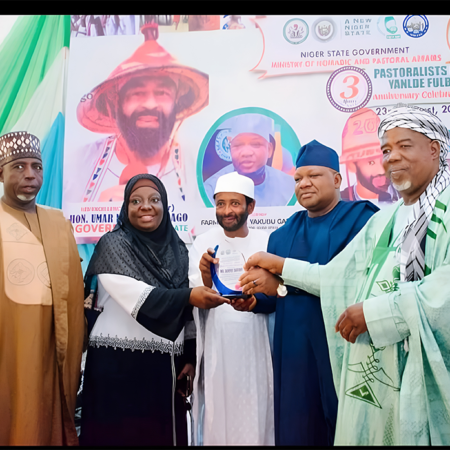
When Governor Umaru Mohammed Bago spoke of building an inclusive and lawful food system in Niger State, some may have taken it as the usual rhetoric that accompanies political declarations. However, what has quietly unfolded beneath that vision is a transformation that could redefine livestock production not just for the state but for Nigeria as a whole. At the centre of this change is an innovation called the Livestock Identification, Inspection and Management System, or LIIMS. It is not just a digital tag or a new government programme. It is a quiet revolution that fuses technology with pastoral tradition in ways that are pragmatic, lawful, and deeply respectful of the people who keep Nigeria fed. This transformative potential of LIIMS gives us hope for a brighter future in the livestock sector.
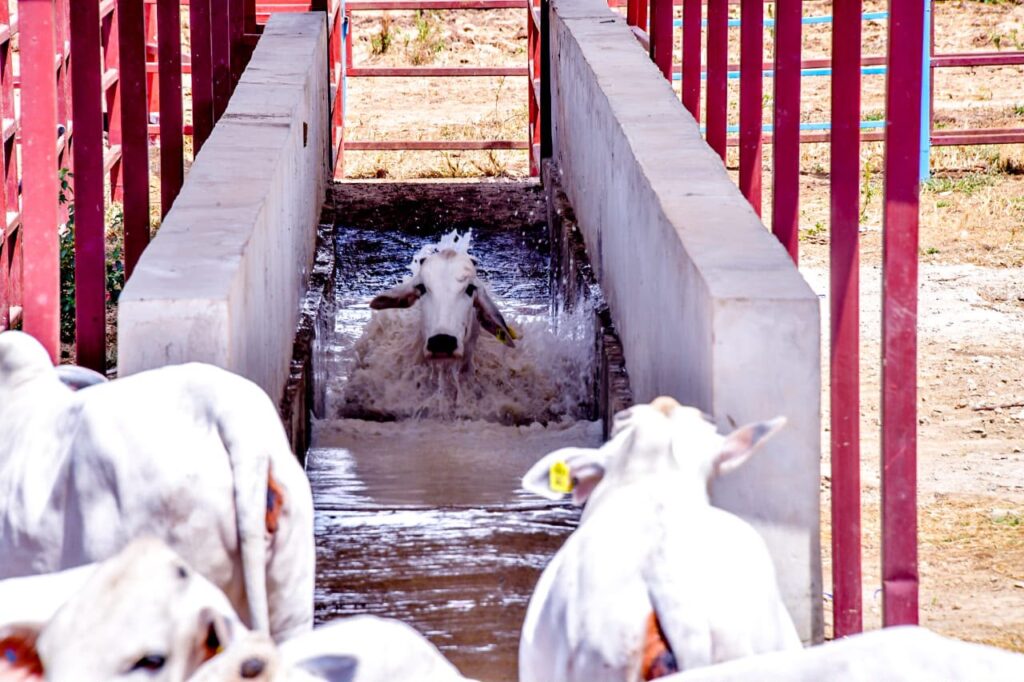
LIIMS begins with something simple: giving every animal an identity. A number, a tag, a record. But beneath that simplicity lies a promise that has never before been fully kept in Nigeria’s livestock economy—the promise of recognition. To a herder, an identified cow is no longer just a creature on the move; it is property protected by law, part of a health system, and a participant in trade. To regulators, that animal becomes traceable, trackable, and safe to move. It becomes part of a lawful economy instead of an informal one. For too long, the livestock sector has existed in the shadows, critical yet marginalised, responsible for feeding the country but largely neglected in policy and planning. LIIMS changes that. It creates a new social contract between the pastoralist, the consumer, and the state.
The practical benefits are already apparent. Disease outbreaks can be identified and contained more quickly. Ownership disputes can be resolved. Stolen animals can be tracked. Better records lead to better breeding, and better breeding leads to higher productivity. By incorporating the standards of the World Organisation for Animal Health, Niger State is positioning its livestock economy to serve not only local markets but also access the global supply chain, where traceability and compliance are non-negotiable.
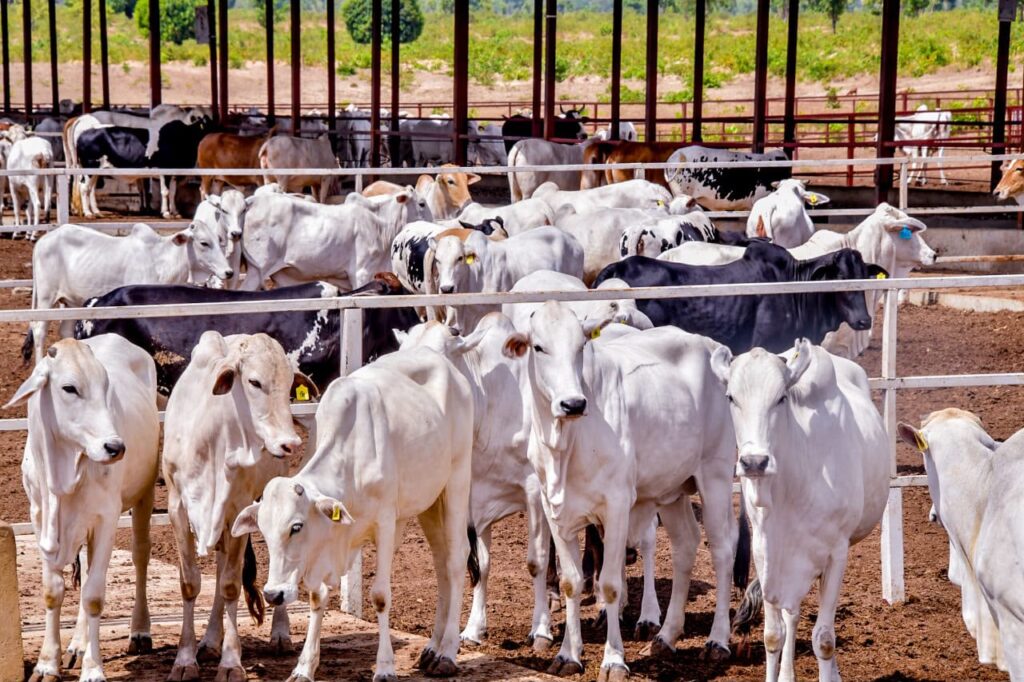
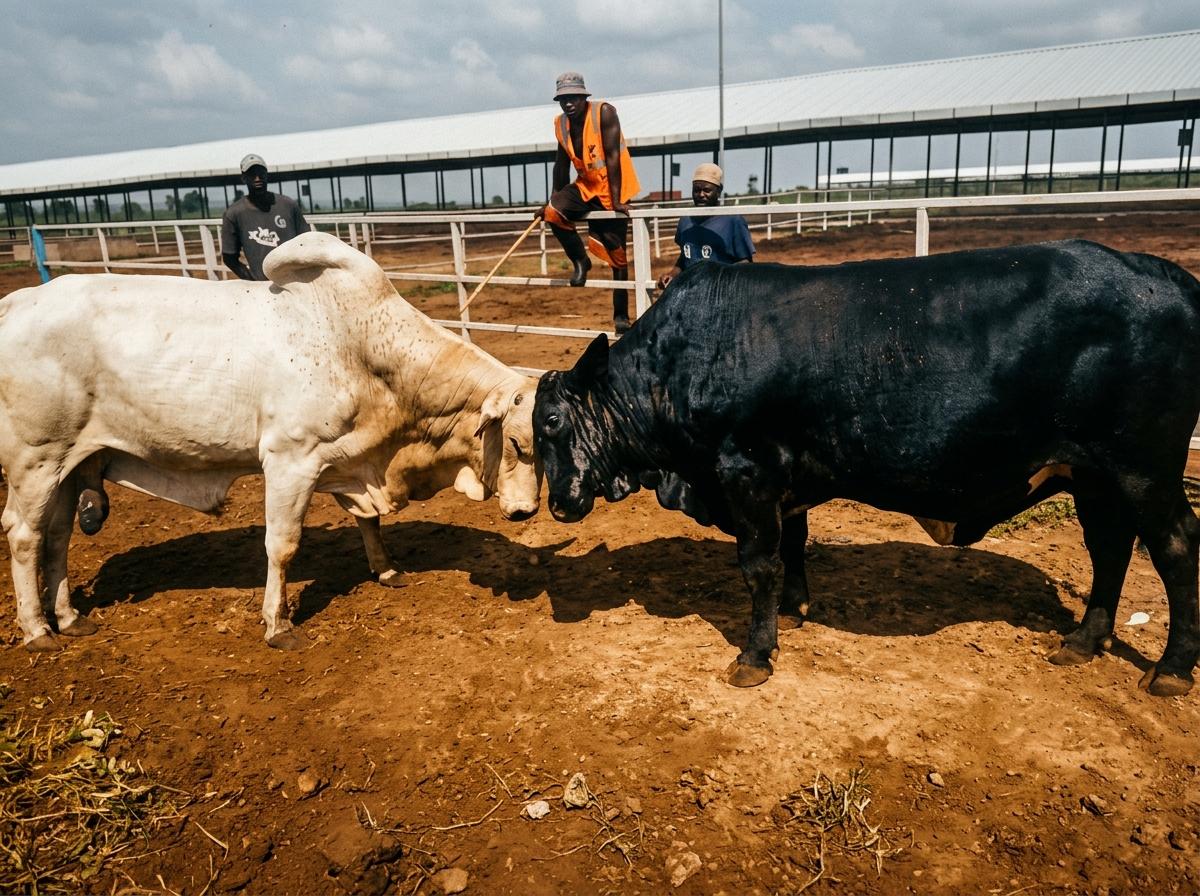
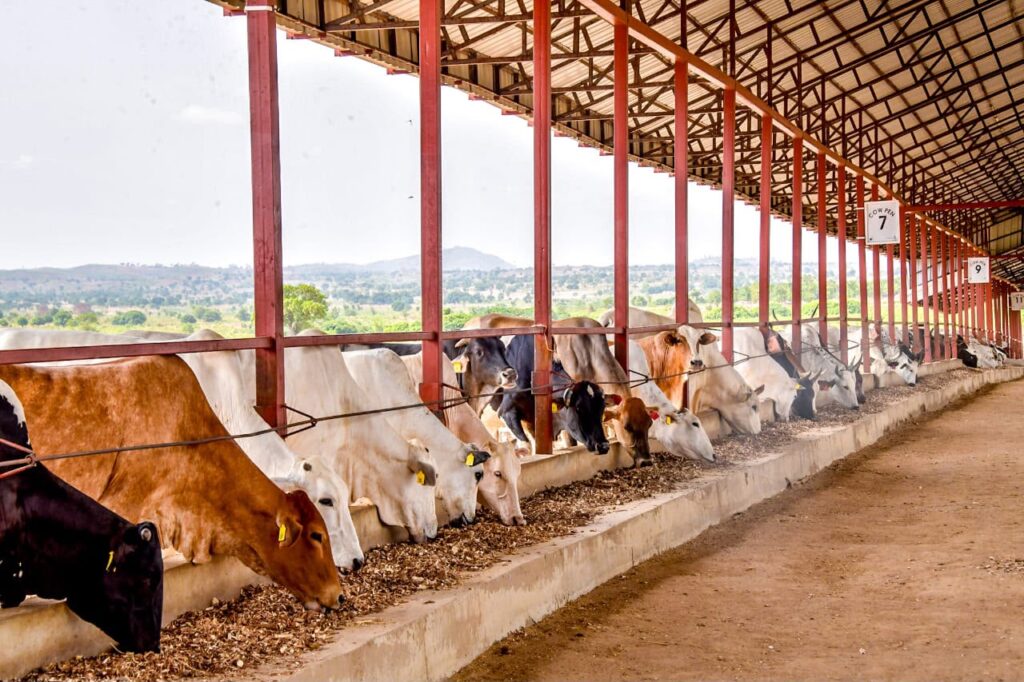
But LIIMS alone cannot carry the weight of transformation. Physical infrastructure must complement digital innovation. That is why the state is building a feedlot and breeding centre at Tagwai Dam—a facility designed not just as a production hub but as a meeting point between tradition and modernity. Smallholder cattle farmers, who form the backbone of Nigeria’s meat and milk supply, will have access to structured markets, improved nutrition for their herds, veterinary services, and the kind of support that ensures they can participate in the future without losing what has always grounded their past. Conflict between farmers and herders—long fuelled by competition over land and misunderstanding of each other’s practices—can be eased when there are shared spaces that work for both sides.
Addressing disease risks demands similar synergy. Real-time LIIMS data feeds into veterinary dashboards, accelerating outbreak detection and response. In a country where zoonotic threats loom large, reducing delays by even days can save livestock and human lives. For example, rapid tracing of an infected herd can limit spread across contiguous grazing networks. Over time, as coverage expands—aiming for, say, 80 per cent traceability within five years—the aggregate effect on public health, trade confidence, and herd value accumulates.
LIIMS strives to ensure that financial frameworks align accordingly. Blended financing models combining state budgets, concessional loans, and private investment are needed to underwrite both digital platforms and physical infrastructure. Public-private partnerships with agribusinesses, development funds, and international donors can catalyse feedlot construction, cold-chain facilities, and training centres. Transparency mechanisms—such as publicly accessible dashboards on budget execution, traceability coverage, and export metrics—help sustain political will by demonstrating tangible results to citizens and investors alike.
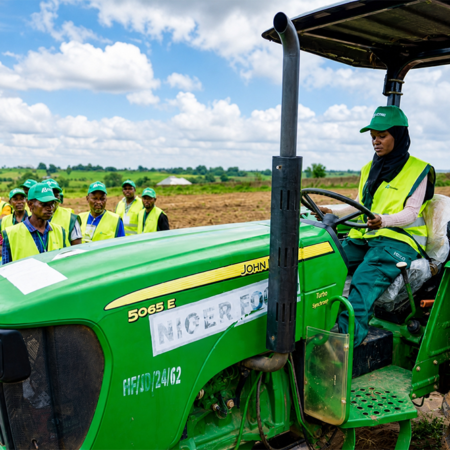
The broader architecture of this change is unfolding through Niger Foods, the state’s vehicle for agricultural development. Alongside livestock development, the company is investing in modern irrigation, packhouses, cold-chain logistics, and agrarian cargo transport through rail and air corridors. Red meat, root vegetables, tropical fruits and grains are being prepared not just for Nigerian consumers but for export through the Minna Airport Free Trade Zone and the Special Agro-Processing Zone currently under development. It is here that the conversation shifts from subsistence to surplus, from feeding households to feeding economies.
But what makes this vision remarkable is its inclusivity. It is not about replacing pastoralism with high-tech ranching or pushing smallholders to the margins. It is about recognising that the pastoralist, the feedlot operator, the rail manager, and the export officer are all players in the same value chain. Indigenous knowledge is not discarded—it is integrated. Traditional herding routes are not erased—they are mapped and protected. Women in cottage industries, traders at livestock markets, and extension officers in remote communities all play crucial roles. That is the only way a lawful food system can be built—through shared ownership, not imposition. This stress on shared ownership makes the audience feel valued and integral to the process.
The idea of a Livestock Headquarters may sound abstract, but in practice, it is a living institution. It will serve as the nerve centre for animal health, trade facilitation, data monitoring, and policy coordination. It is a space where pastoral associations can sit at the same table as food exporters and veterinary scientists. It is where innovation meets inclusion, where field data meets public policy. It’s not just about buildings; it’s about building trust.
Yet, none of this is risk-free. Climate shocks, market fluctuations, insecurity, and institutional fatigue are all real threats. The most complex challenge may not be in building the systems but in sustaining them. However, that is where transparency and public accountability come into play. With systems like LIIMS generating real-time data, it becomes harder to hide inefficiency or abuse. With pastoralists seeing the economic benefit of compliance, it becomes easier to grow a culture of responsibility.
The truth is that the livestock sector has consistently played a pivotal role in driving economic growth in Nigeria’s northern belt. But until now, it lacked the structure and the imagination to realise its potential. What Niger State is attempting is not just a reform—it is a reset. A reset of how we see the herder, the animal, the trader, and the consumer. A reset of how we build value, protect rights, and share prosperity. If this experiment succeeds, the livestock passport may become more than a tool for trade; it may become a symbol of a new covenant—between people, land, and law.
Dr Jeff Ukachukwu is a public affairs analyst and writes from Abuja.